

Orthopaedics
Orthopaedic assessment for joint, spine, and other musculoskeletal concerns, with a clear plan for the next step.
Orthopaedic assessment for joint, spine, and other musculoskeletal concerns, with a clear plan for the next step.
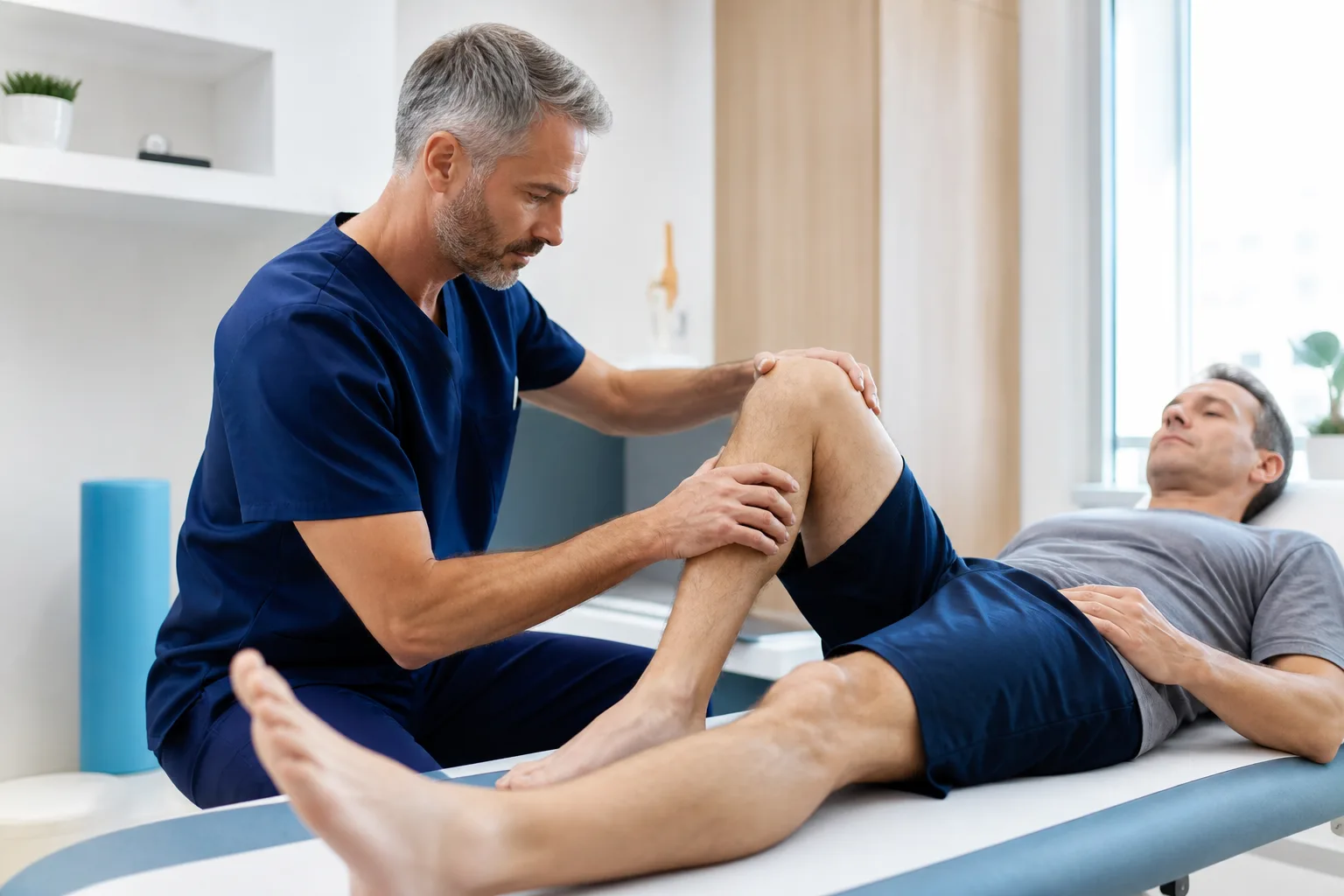
The orthopaedic specialist first identifies where the problem may come from and how it affects everyday movement. Based on the clinical findings, they may recommend conservative treatment, rehabilitation, or further investigation.
A consultation may help with new or persistent pain affecting a knee, hip, shoulder, spine, muscle, or tendon, after an injury, or when mobility is gradually getting worse.
OpenMedical sends available reports and imaging ahead of the visit, coordinates the appointment, and helps keep follow-up and related care organised.
Specialist review is appropriate when pain or reduced movement persists, returns, or interferes with normal activity.
The scope depends on your symptoms and results already available.
The plan reflects the diagnosis, functional limitation, and your goals.
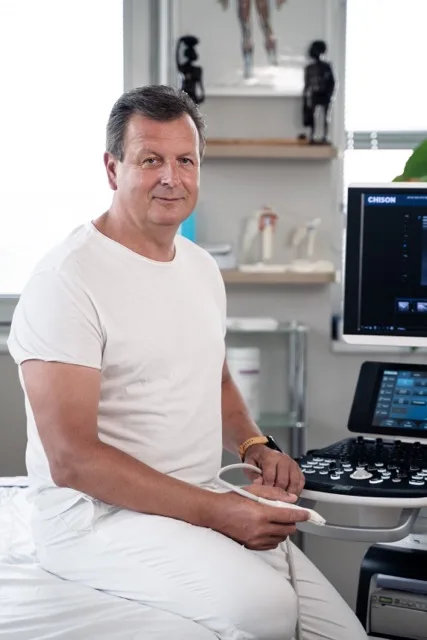
Medical director of Barna Medical with specialist training in orthopaedics and rehabilitation medicine. His experience includes Motol University Hospital, the Czech national athletics team, the Czech Olympic Committee, and professional sports clubs.

An orthopaedic physician on the Barna Medical team, focused on assessment and conservative care for musculoskeletal concerns.
Short answers about orthopaedic assessment and preparing for your visit.
Book an assessment when joint, spine, muscle, or tendon pain persists, returns, limits movement, or follows an injury. A severe acute injury, obvious deformity, or inability to bear weight needs urgent assessment.
This depends on the payment route, clinic, and insurer. OpenMedical checks which documents are needed before confirming the available booking path.
Bring previous medical reports, available imaging results, a medication list, and a short timeline of when the problem started and what makes it better or worse.
Not always. The orthopaedic specialist decides after the history and examination whether imaging is likely to change the diagnosis or treatment plan.
Yes. OpenMedical can coordinate an appointment at a partner clinic, transfer available records, and help arrange related physiotherapy, rehabilitation, or follow-up.